
Slab Leak Repair
A slab leak occurs when a water or sewer line running beneath a concrete foundation develops a crack, break, or corrosion-related failure. Because these pipes are hidden below the surface, leaks can go unnoticed until they begin causing visible damage inside the property. Moisture intrusion, rising water bills, foundation movement, mold growth, and declining water pressure are all common consequences of an untreated slab leak. Slab leak repair involves locating the source of the problem, evaluating the condition of the affected piping, and selecting the repair approach that best addresses the leak while minimizing unnecessary disruption. Imperial Plumbing uses a structured diagnostic process and repair strategy designed to identify the issue accurately and recommend the most appropriate solution for the property.
Signs You May Have a Slab Leak
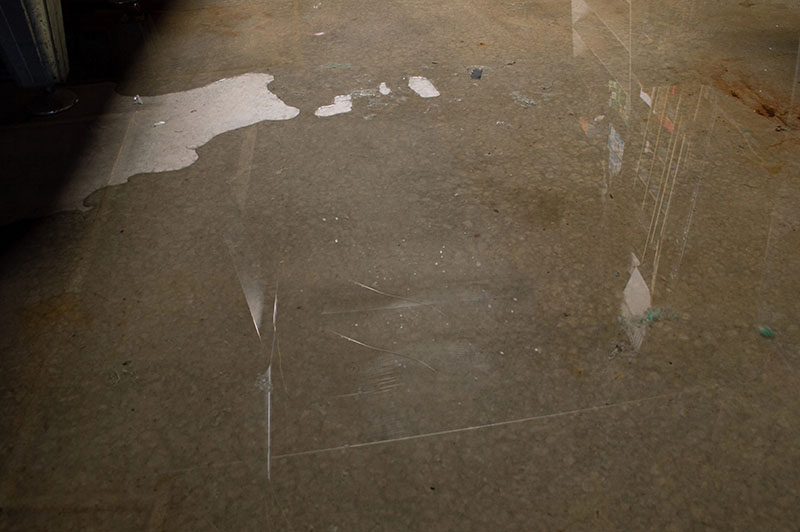
Slab leaks are often difficult to detect because the affected pipes are located beneath the foundation. In many cases, the warning signs begin subtly before becoming more severe over time. If you notice any of the following issues, it may indicate a leak beneath the slab foundation:
These symptoms do not always confirm a slab leak on their own, but they often indicate the need for further inspection. Early detection can help reduce the extent of water damage and limit the scope of repairs required later.
How Slab Leak Repair Works
The slab leak repair process begins with identifying the source of the problem and ruling out other possible causes of moisture or water loss. Because plumbing systems are often interconnected, an accurate diagnosis is essential before any repair work begins.
Imperial Plumbing starts with a visual inspection to determine whether the issue may be related to visible plumbing components, water heaters, appliances, or nearby fixtures. If the source of the problem cannot be identified visually, additional diagnostic steps are performed.
Meter readings and pressure testing may be used to determine whether water loss is occurring within the plumbing system. Specialized diagnostic tools are then used to locate underground pipes, assess pipe condition, and identify the likely location of the leak. Detection technology may include acoustic listening equipment, electronic leak detection instruments, and thermal imaging tools to help narrow down the affected area without unnecessary demolition.
Once the leak has been located, Imperial Plumbing provides a detailed assessment explaining the nature of the pipe failure and the repair options available. Depending on the age and condition of the plumbing system, the recommended solution may involve a targeted spot repair, replacement of a damaged pipe section, or a larger repiping strategy.
The repair process is discussed with the property owner before work begins so expectations are clear regarding access requirements, repair methods, and the level of disruption involved. A written quote is then provided outlining the recommended work before any repairs are authorized.
Slab Leak Repair Options
There is no single repair method that works for every slab leak. The right approach depends on factors such as pipe condition, leak location, accessibility, and the goal of minimizing disruption to the structure.
Rerouting Pipelines
In some situations, rerouting the affected pipeline may be the most practical option. This method redirects the plumbing line around the damaged section without requiring penetration through the concrete slab. Rerouting can reduce structural disruption while providing a long-term solution for aging or deteriorated piping.
Tunneling Beneath the Foundation
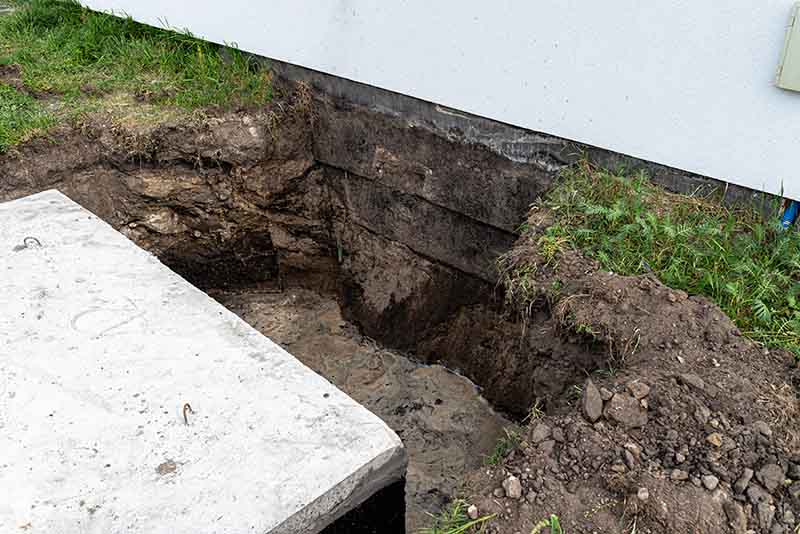
If direct access to the leak is needed, tunneling beneath the structure may allow technicians to reach the damaged pipe without cutting through interior flooring or breaking the slab from above. This approach is often considered when preserving finished flooring or reducing interior disruption is a priority.
Spot Repair Through the Slab
For isolated pipe failures, penetrating the slab to access the damaged area directly may be the most efficient solution. A spot repair focuses on the affected section of pipe while limiting the extent of excavation required. This option is typically evaluated carefully to reduce the risk of unnecessary foundation impact.
Imperial Plumbing generally attempts the least invasive repair option first whenever possible. The final recommendation depends on the condition of the plumbing system as a whole and whether localized repairs are likely to provide a reliable long-term outcome.
Why Prompt Repair Matters
Because slab leaks occur beneath the foundation, even a relatively small leak can create significant problems over time if left unresolved. Water intrusion beneath flooring and structural surfaces can gradually weaken materials, contribute to foundation movement, and create conditions that support mold and mildew growth.
Leaks beneath the slab may also continue increasing monthly water usage while placing additional stress on surrounding plumbing components. In some cases, long-term moisture exposure can lead to cracking, shifting, or deterioration within portions of the foundation itself.
Prompt detection and repair help limit both structural damage and unnecessary repair costs. Modern leak detection methods also help reduce the amount of invasive exploratory work required to locate the problem. By identifying the source more accurately, the repair process can often be planned more efficiently with less disruption to the property.
Addressing slab leaks early also provides the opportunity to evaluate the condition of the plumbing system before additional pipe failures develop elsewhere.
Frequently Asked Questions
What causes a slab leak?
Slab leaks can develop for several reasons, including pipe corrosion, shifting foundations, abrasion caused by pipe movement, or deterioration related to aging plumbing materials. The exact cause varies depending on the condition and type of piping involved.
How do I know if I have a slab leak?
Common warning signs include damp flooring, unexplained water accumulation, low water pressure, unusual sounds of running water, hot spots on the floor, rising water bills, and mildew odors. A professional inspection is usually needed to confirm the source of the issue.
How long does slab leak repair take?
Repair timelines vary depending on the location of the leak, the condition of the piping system, and the repair method selected. Some repairs are more localized, while others may require broader access or rerouting work.
Will slab leak repair require breaking up my floor?
Not always. Some slab leaks can be addressed through rerouting or tunneling methods that reduce or avoid direct slab penetration. In other cases, a spot repair through the slab may be necessary to access the damaged pipe.
When is a full repipe a better option than a spot repair?
If the plumbing system shows signs of widespread deterioration or multiple failing sections, a larger replacement strategy may be recommended instead of repeatedly repairing isolated leaks. The condition and age of the pipes are important factors in determining the most appropriate approach.
Do I need to leave the property during repair?
That depends on the extent of the repair and the areas affected. Some projects involve limited disruption, while others may require temporary adjustments to water usage or access within certain parts of the property.
If you suspect a slab leak or want a professional evaluation of unusual plumbing symptoms, contact Imperial Plumbing to schedule a consultation. A thorough inspection and clear explanation of repair options can help you make an informed decision about the next steps for your property.